



Can luck really influence your success in a casino?
The Nature of Luck in Gambling
Luck is often perceived as a random, unpredictable force that plays a dominant role in determining outcomes in games of chance. In the realm of casinos, this concept intensifies, as players frequently rely on luck while engaging in games like roulette, slots, or blackjack. However, the idea of luck’s influence can be misleading, as it often masks the underlying mathematical probabilities that govern these games. While some players may explore options at an online casino australia to enjoy the thrill of relying on luck, understanding the mechanics behind the games can provide a more strategic approach to gambling.
When players step into a casino, they are met with an environment designed to enhance the feeling of chance and unpredictability. The flashing lights, enticing sounds, and lively atmosphere all contribute to the notion that luck is the key to success. Yet, games like poker showcase a more intricate relationship between luck and skill. In poker, luck can influence the initial hand a player is dealt, but skillful players can consistently make more strategic decisions that lead to long-term success. This highlights that while luck may play a role, it is not the sole determinant of winning.
Moreover, the concept of ‘luck’ also varies among different players. Some individuals have superstitions or rituals they believe influence their luck, such as wearing certain clothing or carrying lucky charms. These beliefs, while scientifically unproven, can enhance players’ confidence and enjoyment during gameplay. While luck can occasionally yield favorable results, evidence suggests that embracing skill and strategy often leads to more consistent outcomes in the long run.
The Role of Skill Versus Luck
In casino games, the interplay between skill and luck is crucial. Slot machines, for instance, rely heavily on luck, as players have no control over the outcome once they’ve pulled the lever or pressed the button. The odds are predetermined by the game’s design, and no matter how many times a player tries, they cannot influence the results. In contrast, games like blackjack and poker allow players to apply strategic thinking, analytical skills, and psychological tactics to increase their chances of winning. This difference illustrates that while luck is a factor, skill can significantly impact a player’s success.
The distinction between skill and luck becomes even clearer in tournaments and competitive settings. In poker tournaments, for example, skillful players often reach the final rounds due to their ability to read opponents, manage their chips effectively, and make mathematically sound decisions. Although luck plays a part in individual hands, the overall success of a player in the tournament relies heavily on their expertise. This serves as a reminder that while luck may provide short-term wins, sustained success is generally achieved through skillful play.

Furthermore, understanding game odds and probabilities allows players to make informed decisions that enhance their chances of winning. Knowledge of whether a game favors the house or the player can guide gamers in selecting the games they choose to play. For example, games with a lower house edge, such as blackjack or certain poker variants, are often more favorable for skillful players who can leverage their strategies effectively. In this context, skill becomes a vital element, emphasizing that while luck may play a role, one’s understanding and approach can make all the difference in achieving success.
The Psychological Aspect of Luck
The psychological dimension of luck in gambling is a fascinating area of study. Many players engage in cognitive biases that affect their perception of luck and outcomes. For instance, the ‘gambler’s fallacy’ leads individuals to believe that past events influence future outcomes in games of chance, despite every event being independent. This fallacy often leads players to make irrational bets, convinced they are ‘due’ for a win after a losing streak, surprisingly disregarding fundamental probabilities.
Additionally, the psychology of luck can greatly affect a player’s decision-making process. For some, the belief in personal luck can provide comfort and confidence, encouraging them to take risks they might not otherwise take. This notion can lead to a positive feedback loop where players who believe in their lucky streak may continue to gamble, often finding themselves on either a winning or losing streak. The emotional highs and lows associated with gambling can create a rollercoaster experience, where one’s perception of luck dramatically impacts overall satisfaction and behavior at the casino.
Understanding the psychological influences of luck can also help casino operators create more engaging environments for players. Many casinos implement loyalty programs, bonuses, and promotional rewards that play into the luck factor, encouraging players to return for another chance at winning. By creating a psychological association between repeated visits and potential success, casinos leverage the appeal of luck to enhance customer retention and satisfaction, making it a critical aspect of the gambling experience.
Managing Expectations in a Casino
Given the duality of luck and skill in a casino setting, managing expectations becomes essential for players. Many newcomers enter casinos with grand hopes of winning big, driven by thrilling stories or advertisements that romanticize gambling victories. However, it’s crucial to understand that casinos are structured to make a profit, and the odds are often stacked in favor of the house. A realistic approach to gambling involves understanding these odds, setting limits, and recognizing the importance of responsible gaming practices.
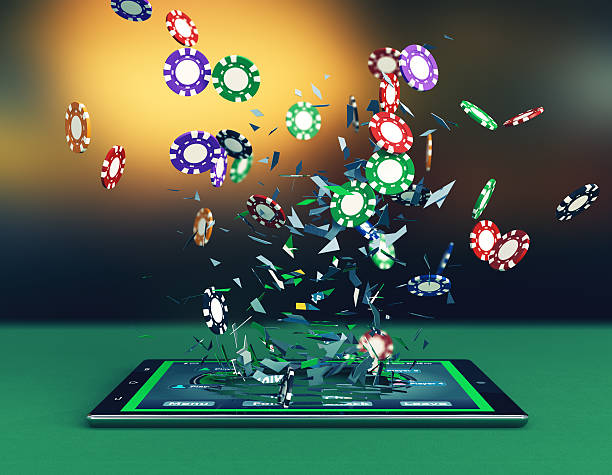
Establishing a budget before engaging in any casino games can help players maintain control over their spending. By setting clear boundaries, players can enjoy the entertainment value of gambling without succumbing to the pitfalls of excessive risk-taking fueled by the false belief in luck. This proactive approach can result in a healthier relationship with gambling, allowing individuals to appreciate the games for their entertainment rather than as a surefire way to achieve financial success.
Furthermore, players should be aware of the potential emotional impacts of gambling and the influence of luck on their experiences. The joy of occasional wins can be exhilarating, yet losses can equally be disheartening. Recognizing this emotional volatility can help players maintain perspective, focusing on the fun experience rather than solely on winning or losing. In doing so, players can cultivate a more positive and enjoyable gambling experience, regardless of luck’s role in their success.
Exploring Gaming Resources and Communities
In today’s digital age, casino enthusiasts have access to an array of online resources and communities that can enhance their gambling experiences. Various websites offer valuable insights, strategies, and educational content about different games, allowing players to better understand the role of luck and skill in their gameplay. Forums and social media groups provide platforms for players to share experiences, strategies, and tips, thereby fostering a sense of community among gamblers.
These online communities can serve as a supportive environment, with experienced players providing mentorship to newcomers. By sharing knowledge and strategies, players can improve their skills, ultimately leading to a more informed approach to gambling. Understanding the intricacies of each game can help mitigate the overwhelming influence of luck, empowering players to make strategic decisions that enhance their overall success.
Moreover, online resources often provide insights into the latest trends and developments in the gambling industry. From innovations in gaming technology to updates on regulatory changes, staying informed can help players navigate the evolving landscape of casinos. By utilizing these resources, individuals can make well-informed decisions, whether they are gambling in-person or online, thus striking a balance between luck and skill that optimizes their chances of success.
- Posted by raulparedes805
- On August 31, 2026
- 0 Comments
